Southport has a way of slowing buyers down. Within minutes of walking the historic district — old live oaks, wraparound porches, water glimpsed at the end of every street — many buyers shift from “looking” to “imagining.” The town's collection of historic homes is one of the most distinctive in coastal North Carolina, and it deserves a careful look. Charming as these properties are, they come with their own set of practical considerations that buyers should understand before falling in love with one.
Why Southport Is Unique
Southport sits at the mouth of the Cape Fear River, where the waterway meets the Atlantic. The town was originally established as Smithville in the late 1700s and grew around fishing, river commerce, and military presence at Fort Johnston. That long history is still visible: the historic district is laid out in a grid of narrow streets lined with cottages, captain's homes, and the occasional grand Victorian. Many of the oldest homes still stand because they were well-built to begin with and because the community has invested in preserving them.
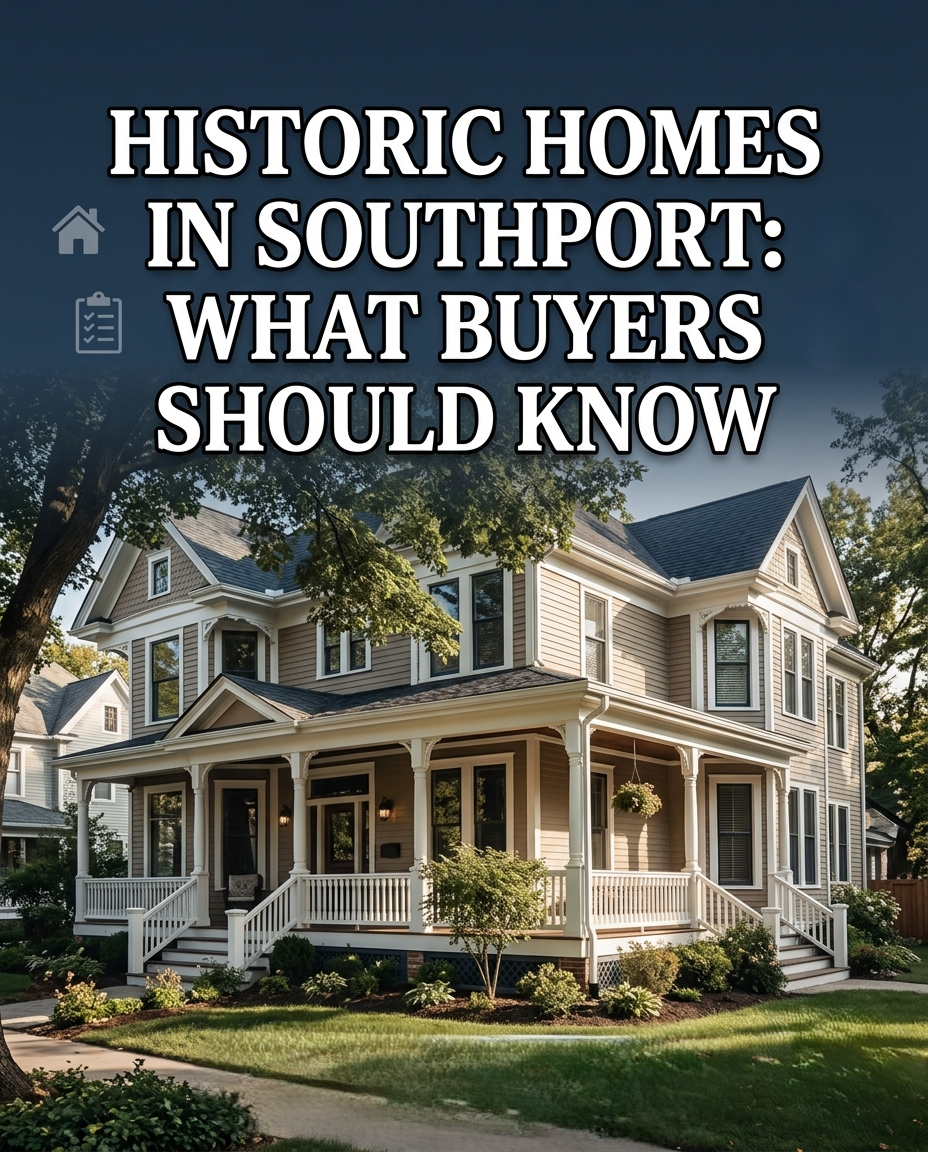
What makes Southport's historic stock genuinely unique is the variety. Buyers can shop for early 1800s cottages, mid-1800s Carolina raised cottages, late-Victorian queens, Craftsman bungalows, and early-20th-century coastal homes — sometimes on the same block. That visual variety is part of what keeps the town's character intact and makes the Southport real estate market so distinctive.
Understanding the Buyer Drawn to Historic Southport
The buyer most attracted to a historic Southport home is rarely just shopping for square footage. Most are buying the lifestyle, the architecture, and the small-town feel. Common buyer profiles include:
- Retirees relocating from larger markets who want walkability and character
- Second-home buyers looking for something with story and presence
- Investors interested in unique short-term rental properties
- Long-time visitors who finally decide to plant roots
Each of these buyers tends to be patient. Historic homes do not move at the same pace as new construction, and the right one can take time to find. Buyers willing to wait usually get rewarded.
Market Conditions in Southport
Southport's market for historic homes runs on its own clock. Inventory is finite, and the most desirable homes are sometimes held by families for decades before they trade hands. A few things stand out about the current market:
- True historic-district homes command a clear premium over similarly sized homes outside the district
- Renovated homes with sensitive updates outperform un-renovated cottages
- Days on market vary widely based on condition and pricing accuracy
- Waterfront and water-view historic homes are the rarest segment
Buyers who want to compete for the best properties should be prepared to act quickly when the right one appears, and to pass on properties that do not fit. The Southport waterfront market overlaps with the historic district in some cases, which adds another premium layer to the math.
Home Features That Matter
Historic Southport homes vary widely, but the features buyers should look at carefully include:
- Original heart pine flooring in good condition
- Working fireplaces and chimney condition
- Original windows versus replacement, and their energy performance
- Hand-built moldings, mantels, and built-ins
- Foundation type and any prior moisture issues
- Roof age and the condition of historic features like cupolas or widow's walks
Many of these features add value, but they require knowledge to maintain. Buyers should plan to engage tradespeople who specialize in historic homes rather than relying on general contractors used to new construction.
Costs, Risks, and Practical Considerations
Historic homes in Southport carry costs that newer homes do not. Buyers should plan ahead for:
- Insurance can be more expensive due to age, materials, and replacement costs
- Energy efficiency upgrades may require careful planning to preserve character
- Foundation, plumbing, and electrical systems often need staged updating
- Local historic guidelines may limit visible exterior changes
- Specialty contractors and longer lead times for repairs
None of this should scare the right buyer. It just means an experienced inspection, a generous reserve fund, and the right team of trades are essential. Buyers who plan well end up enjoying the home; buyers who plan poorly end up surprised.
Local Lifestyle and Community Appeal
Southport rewards the kind of buyer who likes to walk. The historic district leads to the riverfront, where shops, restaurants, and the Southport Marina anchor daily life. The Cape Fear Pilots' history is visible at every turn, and the festivals — including the long-standing 4th of July celebration — give the town a rhythm that residents come to love.
The town's location is also a quiet advantage. Bald Head Island is a short ferry ride away, Oak Island is a 10-minute drive across the bridge, and Wilmington is roughly 30 minutes away by road. Buyers can have a quiet, walkable home base while still enjoying a wider regional lifestyle.
Strategy for Buyers
Buyers serious about a historic Southport home should:
- Tour with an agent who knows the historic district by block
- Hire a home inspector with specific historic experience
- Get insurance quotes early, before the offer
- Review any historic-district guidelines that may affect renovations
- Ask sellers for documentation of major updates and their dates
Buyers who follow these steps are in a stronger position to negotiate, finance, and ultimately enjoy the home for years.
Final Takeaway
Southport's historic homes are some of the most charming properties in coastal North Carolina, but they reward buyers who understand what they are stepping into. The right home offers a level of character, walkability, and waterfront proximity that newer construction simply cannot replicate. The right approach — patience, careful diligence, and a knowledgeable team — makes all the difference between a buyer who falls in love with the home for one summer and one who happily owns it for decades.
About Greg Harrelson
Greg Harrelson is a seasoned Realtor® with more than 30 years of experience serving the Myrtle Beach and Grand Strand markets branching into North Carolina more recently. As the founder of Century 21 The Harrelson Group, Greg has built his career helping buyers, sellers, and investors achieve success in every corner of the coastal Carolina real estate market. His expertise spans residential homes, investment properties, land development, and coastal condos. Known for his deep local knowledge, innovative marketing strategies, and commitment to personal service, Greg consistently helps clients reach their real estate goals while navigating the ever-changing market with confidence and precision.