Historic Downtown Wilmington is one of the few places on the East Coast where you can buy a home older than most states, walk to dinner along a working river, and still catch a movie at the Thalian Hall Center that's been running since 1858. And once buyers spend a weekend in the district, a lot of them stop looking anywhere else.
Here's what I mean. Downtown Wilmington isn't a trendy conversion of an old warehouse block. It's the actual historic core of the city, and it lives like one. Cobblestones. Cast iron. Live oaks. Front porches that get used. If you want that specific kind of coastal-Southern city feel, this is the place to look.
What the District Actually Delivers
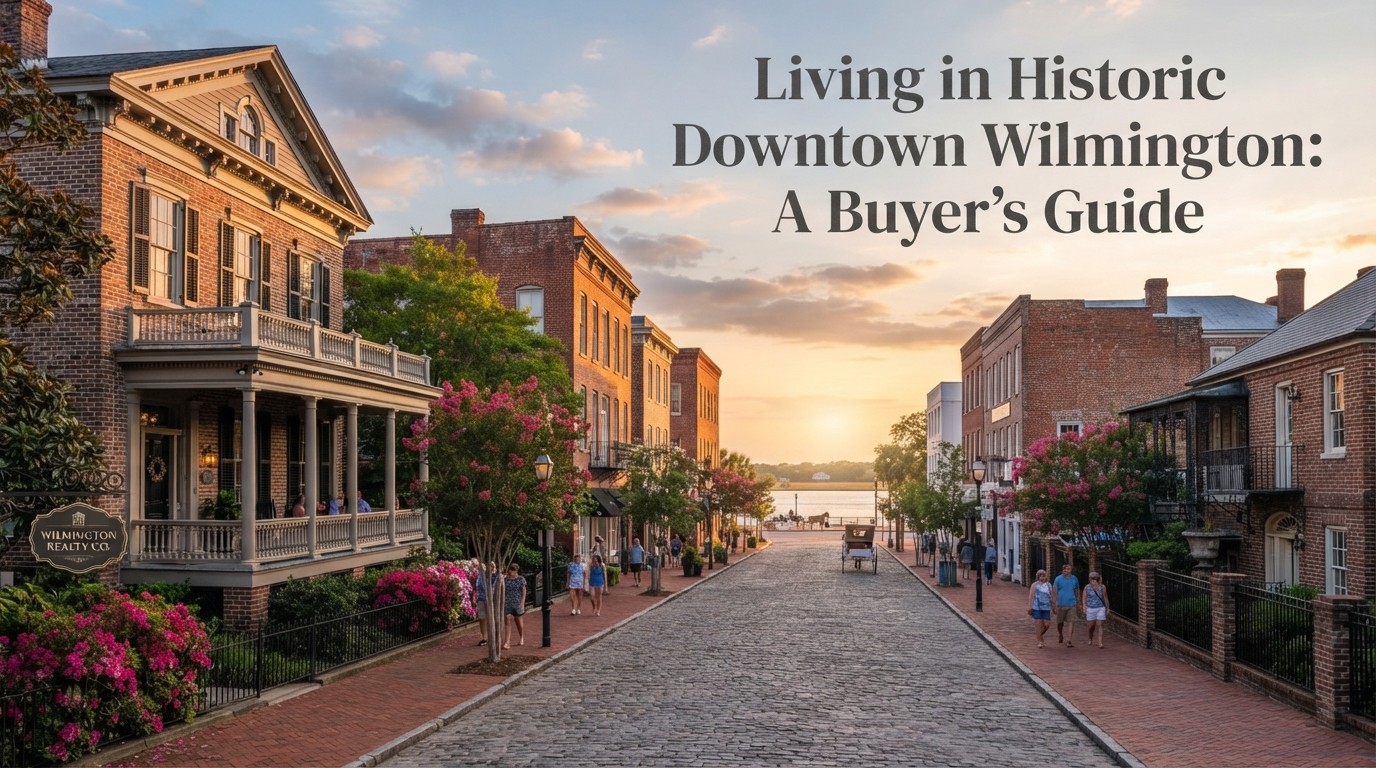
The Historic District covers roughly 300 blocks along the Cape Fear River, ranging from the Riverwalk east to about 17th Street and north from Castle Street up through Ann and past. Inside those blocks you'll find restored 19th-century homes, Federal and Italianate architecture, front-porch cottages, and the working commercial spine along Front, Second, and Third streets. The Riverwalk is a continuous half-mile of restaurants, shops, and river access. The battleship USS North Carolina sits directly across the river.
For daily life, you're within walking distance of groceries, coffee, restaurants, the historic Thalian Hall theater, the Cape Fear Museum, live music venues, and the Cotton Exchange shopping. The Live Oak Bank Pavilion hosts touring concerts a short walk south. Airlie Gardens is a fifteen-minute drive. Wilmington as a whole delivers city infrastructure, but the historic district delivers the specific downtown-living experience that draws a specific buyer.
Who Actually Buys Downtown
Retirees who want walkable in-town living instead of a suburban master-planned community. Remote workers who value character architecture and coffee-shop culture. Second-home buyers from the Northeast and Southeast who visit friends here and fall in love with the district. Empty nesters downsizing from Landfall or another suburban Wilmington neighborhood and wanting a smaller footprint with more life at their door. Younger professionals who bought fixers and are restoring them room by room.
What links these buyers is a preference for character over polish. Historic homes have quirks. Downtown parking is what it is. Restaurant hours run late on Friday. Buyers who love the district accept these tradeoffs; buyers who don't sometimes wish they'd stayed in a quieter suburban neighborhood.
Historic Homes Come With Real Considerations
Downtown Wilmington homes range from restored to condition-sensitive. Older systems, original plaster walls, historic windows, and settled foundations are common. Buyers should hire an inspector experienced with historic homes and expect the inspection report to include items that inspectors on newer construction wouldn't flag.
The Historic Preservation Commission reviews exterior changes on many properties. Paint colors, window replacements, roof materials, additions, and even shutter styles can require approval. That preservation oversight is what protects the district's character, and buyers should factor it into any renovation plans before contract.
The Condo Side
For buyers who want downtown lifestyle without the maintenance of a historic single-family home, Wilmington condos in and near the downtown core offer a lower-friction ownership path. Riverfront and near-riverfront condos deliver views and walkability with structured HOA maintenance handling exterior upkeep.
Condo buyers should read the HOA covenants, budget, and reserve study carefully. Some downtown buildings have strong reserves and predictable dues; others have faced special assessments that surprised owners.
Nearby Alternatives
Buyers who tour Downtown Wilmington and want the historic city feel with more space sometimes end up in Autumn Hall, which delivers newer construction with walkable design closer to Wrightsville Sound. Others land in Riverlights, a master-planned community along the Cape Fear River south of downtown with newer construction and its own amenity infrastructure. Both fit buyers who liked the downtown feel but wanted fewer historic-home considerations.
Practical Considerations
Property Taxes
Homes inside the City of Wilmington carry the municipal tax rate on top of the New Hanover County rate. Downtown properties are inside city limits and pay both. Model the total annual tax bill on any specific home during due diligence.
Insurance and Flood
Some downtown blocks sit in flood zones that affect insurance requirements. Elevation and prior claims history should be part of every downtown offer. Insurance quotes should happen during due diligence, not after loan approval.
Parking
Some historic homes have off-street parking. Others rely on street parking with permit requirements. Buyers should verify parking arrangements before contract, especially for households with multiple vehicles.
Renovation Timelines
Historic Preservation Commission review, general contractor scheduling, and the reality of working on 100-plus-year-old buildings all extend renovation timelines. Plan longer, not shorter, than a suburban renovation.
What I See Consistently
Buyers who choose Historic Downtown Wilmington after visiting multiple times, understanding the tradeoffs, and going in with realistic renovation and maintenance expectations end up loving the district. Buyers who choose it on a single weekend visit sometimes discover the daily reality — the parking, the renovation timeline, the older systems — is harder than the postcard suggests.
Key Takeaways
Historic Downtown Wilmington fits buyers who value character over polish — walkable streets, restored 19th-century homes, riverfront access, and daily infrastructure at the doorstep. Ownership brings Historic Preservation Commission oversight, older-home inspection realities, and the city tax overlay. Condos, Riverlights, and Autumn Hall offer lower-friction alternatives with similar walkability. Buyers who visit multiple times and understand the tradeoffs consistently love the district.
Frequently Asked Questions
Are historic homes in Downtown Wilmington expensive to maintain?
Generally more than newer construction. Older plaster, original windows, older systems, and salt-air exposure combine to make maintenance a real budget line item. Restored homes with recent system updates cost less to run than homes still on their original everything.
Do I need Historic Preservation Commission approval for changes?
Depends on the specific property and the specific change. Exterior modifications on many downtown historic homes require review. Interior changes usually don't. Verify the specific property's requirements before contract if renovation is part of your plan.
Is Downtown Wilmington safe?
Generally yes for daily life. Like most urban districts, block-by-block variation exists. Talk to current residents about specific streets and understand the neighborhood you're actually buying into rather than the district as a whole.
How does flood zone status affect downtown homes?
Some blocks sit in Special Flood Hazard Areas that require flood insurance for federally financed mortgages. Other blocks sit in Zone X and don't. Pull the FEMA determination on the specific address before offer.
Can I short-term rent a Downtown Wilmington property?
Rules vary by property type and by any applicable HOA. Some downtown condo buildings allow rentals; others don't. Some single-family homes are subject to city short-term rental regulations. Verify current rules in writing before assuming rental income.