The Intracoastal Waterway is the sinew that ties coastal North Carolina together. Long before it was a real estate feature, it was a working waterway for commerce, transportation, and fishing. Today, it does all of that and more — a protected navigable channel running the length of the coast that shapes daily life for the homes and communities along it. Buyers who buy on or near the ICW are not just buying a home. They are buying a specific way of living that this coast delivers better than almost anywhere else. Here is why ICW-adjacent inventory continues to command a premium and why the buyers who choose it rarely regret it.
What the ICW Actually Delivers
The Intracoastal Waterway runs behind the barrier islands from Norfolk to Miami, cutting a protected channel between the mainland and the coast. In North Carolina, it links Wrightsville Beach to Hampstead, Sneads Ferry, and the Topsail corridor to the north, and connects Wrightsville down through Carolina Beach and around to Southport, Bald Head Island, and the Brunswick beaches to the south. For boat owners, that means safe travel in almost any weather, without ever heading offshore. For homeowners, it means water access, dock potential, wildlife, and a specific quality of light and view that inland homes cannot replicate.
Boating and Water Access
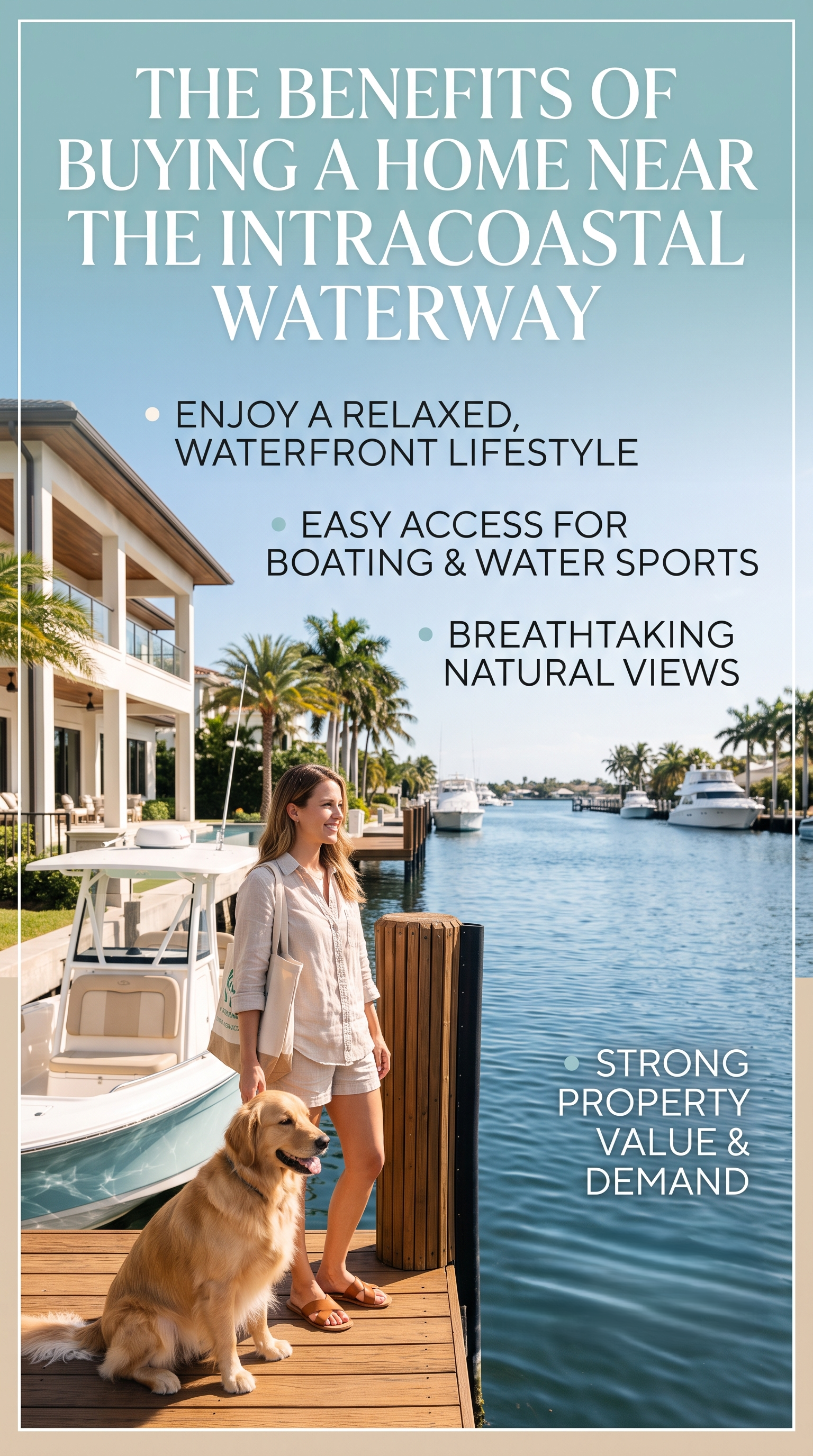
The primary reason buyers pay for ICW proximity is boating. A private dock on the waterway or on an ICW-connected creek gives owners water access without a trailer, a marina slip fee, or a long tow to open water. Fishing, cruising, sailing, kayaking, and paddleboarding all become part of the daily rhythm rather than a weekend event. The ICW's sheltered nature also means small boats can be used year-round in conditions that would keep the same boat off the ocean.
Buyers with children and grandchildren especially value the ICW proximity. Waterfront homes with a dock become the family destination during summers and holidays, drawing multiple generations to the coast.
Views and Light
ICW-front homes look west across the marsh and channel toward sunset. Anyone who has watched a summer evening from a screened porch overlooking the ICW understands why this view holds value. The light, the birds, the boats moving past, the tidal cycles — the daily and seasonal variation keeps the view interesting in a way that ocean views sometimes do not.
Wildlife and Environment
The ICW corridor and the associated marshlands are among the most biologically active environments in North Carolina. Herons, ospreys, dolphins, mullet, and shrimp are daily sightings. For nature-oriented buyers, this alone is worth the premium.
Storm Considerations
ICW-adjacent living comes with real considerations during hurricane season. Waterfront homes face wind, wave, and surge exposure, and flood zone designations for ICW-front homes are often more restrictive than inland alternatives. Insurance costs are higher, and elevation compliance matters. Buyers who go in understanding these factors and plan for them navigate the trade-offs well. Buyers who assume "the ICW is protected water" and skip the flood diligence sometimes learn hard lessons.
Where the ICW Adds the Most Value
Hampstead
Hampstead's ICW frontage is one of the strongest boating markets in the region. The community's growth has been driven substantially by the water access, and homes with private docks reliably outperform comparable inland inventory. The proximity to Topsail Inlet makes open-water access practical.
Wrightsville Beach
Wrightsville Beach ICW-front inventory delivers a premium boating and social lifestyle. Motts Channel, Banks Channel, and the sound side of Wrightsville each behave slightly differently, and buyers should shop for the specific water access they want.
Southport
Southport's ICW access ties into the Cape Fear River and to the offshore fishing grounds. The town's boating community is one of the strongest on the NC coast, and ICW-adjacent inventory in and around Southport reflects that.
Brunswick Beaches
Sunset Beach, Ocean Isle Beach, and Holden Beach each offer ICW and canal-front inventory at often more moderate prices than the Wilmington-side markets. Buyers who value water access without the higher-end social scene often land here.
Sneads Ferry
Working-waterfront authenticity, more accessible pricing, and genuine boating culture. Sneads Ferry does not photograph like Wrightsville but consistently delivers on the daily lifestyle its buyers seek.
Practical Considerations
Dock Rights
Not all ICW-adjacent lots have dock rights, and even lots with dock rights face state CAMA permitting for new dock construction. Buyers should verify whether an existing dock is grandfathered, whether the current permit is transferable, and whether the buyer's intended use aligns with the permit.
Water Depth
Tidal range and dock depth affect what boat the dock can accommodate. A dock that dries out at low tide is very different from a deepwater dock. Buyers should verify low-tide depth for the boat they own or plan to own.
Bulkheading and Erosion
Marsh-edge and creek-front lots may require bulkhead maintenance or replacement over time. Buyers should evaluate the existing bulkhead condition and understand the cost profile for future work.
Flood Insurance and Elevation
Most ICW-front homes sit in AE or VE flood zones. Elevation certificates matter, insurance quotes matter, and finished floor height above base flood elevation matters. All should be part of due diligence.
Bridge and Navigation Access
Boaters should verify what navigation restrictions exist between the dock and the boater's intended destinations. Fixed bridges, moveable bridge schedules, and shoaling all affect how usable a specific dock is for a specific boat.
Resale Strength
ICW-front and ICW-adjacent homes consistently resell better than comparable non-waterfront inventory in the same submarkets. The buyer pool is deep — retirees, boaters, second-home buyers, remote workers with families — and the supply is finite. Even in softer market years, ICW inventory generally trades. That resale strength is a real part of the long-term investment case for buying on the water.
Who Should Buy ICW
Buyers who genuinely value water access as a daily feature of their life. Boaters, fishermen, kayakers, wildlife enthusiasts, and buyers who imagine sunset dinners on the porch. Multi-generational families who want a home that draws relatives. Retirees who want the boat to be part of the retirement plan. For these buyers, the ICW premium is not a cost — it is the point.
Who Should Not
Buyers who do not actually plan to use the water. An ICW-front home purchased for the view but rarely enjoyed as a boater or a marsh-watcher is often a home that could have been an inland home at a lower carrying cost. Fit matters more than aspiration here.
Key Takeaways
The Intracoastal Waterway remains one of the strongest lifestyle features of the coastal North Carolina market. ICW-front and ICW-adjacent homes deliver boating access, sunset views, wildlife, and a daily quality of life that inland homes cannot replicate. The premium buyers pay is real but comes with resale strength that has held up through multiple market cycles. The trade-offs — higher insurance costs, flood zone considerations, dock permitting, bulkhead maintenance, and hurricane season awareness — are all manageable when planned for in advance. Buyers who genuinely value water access get more out of an ICW home than almost any other property type on this coast. Buyers who are drawn to the view without a real plan to use the water are usually better served by an inland home a few blocks off the water. The right ICW property is one of the best long-term coastal purchases available in this region. The wrong ICW property, chosen for the wrong reasons, becomes an expensive lesson. Match the home to the life the buyer actually intends to live, and the ICW consistently delivers.