Every year another list ranks the best places to retire in America, and every year Wilmington and the surrounding coastal North Carolina towns land somewhere near the top. The rankings are useful, but they miss the real answer. What makes coastal North Carolina a great place to retire is not any one thing — it is the specific combination of climate, cost, healthcare access, walkability, and community that this region genuinely delivers together. Very few coastal regions in the country manage that combination, and the ones that do usually cost meaningfully more.
Here is why the retirees I work with keep choosing this coast, and what actually makes it work for the long haul.
The Climate Matches How Retirees Want to Live
Coastal North Carolina delivers roughly eight to nine months of usable outdoor weather a year. Spring is long and pleasant. Summer is warm but tempered by ocean breeze. Fall is one of the best seasons in the country. Winters are mild — 40s and 50s during the day, occasional freezes but no lasting snow — which lets residents keep walking, biking, boating, and gardening year-round.
Compare that to the retirement alternatives. Florida gives you longer heat but often oppressive summers. Arizona is hot and dry. New England has winter. The Pacific Northwest has rain. Coastal NC threads a middle path most retirees find more sustainable over a 20-year retirement than the extremes.
The Cost of Living Is Reasonable Compared to Alternatives
Housing on this coast is meaningfully cheaper than coastal California, Florida, or Charleston. Property taxes are moderate. Wind, hail, and flood insurance are real costs, but still generally lower than coastal Florida in 2026. Groceries, dining, and services sit close to the national average. Retirees can live comfortably on incomes that would feel tight in higher-cost coastal alternatives.
Communities like Leland, Southport, and Hampstead often deliver the specific coastal-retirement lifestyle at price points that leave room in the budget for travel, hobbies, and family visits.
Healthcare Access Is Legitimately Strong
One thing every retiree eventually needs is a real medical infrastructure. Coastal North Carolina delivers. Novant Health New Hanover Regional Medical Center in Wilmington is a level II trauma center serving the whole region. UNC Health Southeastern, Brunswick Novant Medical Center, Pender Memorial, and the network of primary and specialty practices provide coverage across the region. Duke Health and UNC Health referrals are within a few hours' drive.
Retirees planning a 20- or 30-year retirement should evaluate healthcare seriously. Coastal NC compares well to almost every alternative outside a major metro.
Walkable, Small-Scale Towns
The retirees who most enjoy this region are usually the ones who chose a town they can actually walk. Southport, downtown Wilmington's historic district, parts of Wrightsville Beach and Carolina Beach, and several master-planned communities offer daily life without a car for the routine errands. Front porches, small groceries, coffee shops, farmers' markets, and short walks to the water anchor the day.
That kind of walkable coastal town is genuinely hard to find. Southport in particular has been a favorite for decades among retirees who want the small-town feel without giving up medical access or coastal lifestyle.
The Community Infrastructure Is Real
Retirement communities work when they have a functioning social calendar and a critical mass of residents who actually participate. Coastal NC has multiple communities where that is genuinely the case. Brunswick Forest, Compass Pointe, Magnolia Greens, St. James Plantation, Landfall — each supports book clubs, wine groups, pickleball leagues, golf, tennis, walking clubs, volunteer organizations, and a full calendar for residents who want to be involved.
The alternative is retiring to a beautiful location with no social infrastructure and quietly becoming isolated. This region has enough active communities to avoid that trap.

Coastal Recreation Everyone Can Actually Use
Boating, fishing, kayaking, paddleboarding, cycling, birding, and walking are all readily accessible from most retirement-focused communities. Golf is available at every price point. Beach access is straightforward. The Intracoastal Waterway offers boating that can fill an entire retirement without ever needing to trailer to a lake.
The specific advantage over inland retirement destinations is that most of these activities are usable year-round, not just for a few months in summer.
Manageable Distance to Family
The Wilmington area sits within a day's drive of much of the East Coast. Boston to Miami are all reachable by car in one to two days. Wilmington International Airport (ILM) connects to major East Coast hubs. That means grandchildren can visit for weekends, retirees can travel to see family, and the coast does not feel like a distant escape from the rest of life.
What Retirees Should Plan For
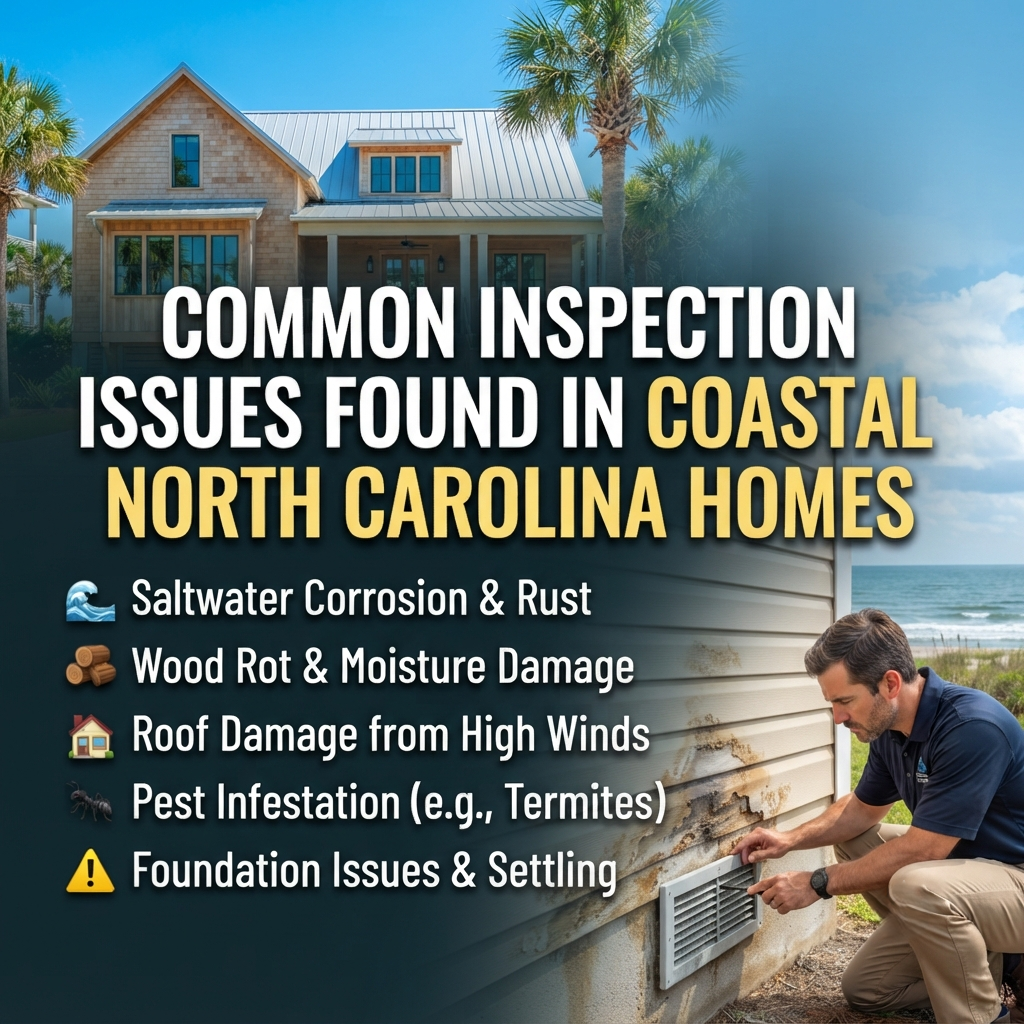
Hurricane season is real. Insurance premiums have risen and will keep rising in a rough sense. Salt and sun age homes faster than inland environments. HOA dues in amenity communities have moved up alongside insurance and reserves. None of these are dealbreakers, and none of them change the fundamental appeal of the region — but they should be part of the budget from day one.
Retirees who plan for these costs, choose the right community for their specific lifestyle, and live below rather than at the top of their means consistently love this coast.
Which Communities Fit Which Retiree
Active Amenity Retirees
Brunswick Forest, Compass Pointe, St. James Plantation, and Landfall serve retirees who want a full amenity package — golf, tennis, fitness, walking trails, social calendar — inside a gated or master-planned community.
Small-Town Walkers
Southport, downtown Wilmington's historic district, and select Wrightsville Beach neighborhoods serve retirees who want a walkable town over amenities.
Waterfront-Focused Retirees
Hampstead, Sneads Ferry, and the Brunswick beaches serve retirees whose priority is boat access, water views, and coastal recreation as the daily activity.
Value-Conscious Retirees
Leland, Shallotte, Burgaw, and Holly Ridge offer real coastal-region access at more moderate price points, often with newer construction and lower carrying costs.
Key Takeaways
Coastal North Carolina keeps landing on retirement shortlists because it delivers a combination that most competing regions cannot match. The climate supports year-round outdoor living. The cost of living is meaningfully lower than coastal Florida, California, and the Northeast. Healthcare infrastructure is strong. Walkable small towns and functioning amenity communities let retirees build a real daily life. Boating, golf, beach, and outdoor recreation are all readily accessible. Family remains within a manageable drive or flight. The trade-offs — hurricane season, insurance costs, salt-air maintenance, and HOA dues — are real but predictable. Retirees who plan for the costs, choose the right community for the way they actually want to live, and lean into the social and recreational infrastructure available to them consistently describe the move to coastal North Carolina as one of the best decisions they ever made. Very few retirement regions can honestly say the same.